Introduction: A Biodiversity Hotspot
The Mobile-Tensaw Delta represents one of North America's most biologically rich ecosystems, earning its nickname as "America's Amazon." This complex network of rivers, bayous, creeks, lakes, wetlands, and forests harbors an extraordinary diversity of plant and animal life. The delta's biodiversity stems from its unique position at the confluence of multiple ecosystems, its varied habitats, and its role as a transition zone between freshwater and marine environments.
This section explores the remarkable biodiversity of the Mobile-Tensaw Delta, examining the factors that contribute to its ecological richness and the conservation challenges facing this extraordinary ecosystem. By understanding the complex web of life that exists in the delta, we can better appreciate the importance of preserving this natural treasure for future generations.
Plant Diversity: The Foundation of the Ecosystem
The Mobile-Tensaw Delta supports a remarkable diversity of plant life, with over 500 documented species. This botanical richness forms the foundation of the delta's food webs and provides critical habitat for countless animal species. The delta's plant communities vary widely based on elevation, hydrology, soil type, and salinity, creating a complex mosaic of habitats across the landscape.
Carnivorous Plants: Adaptations to Nutrient-Poor Soils
A field of white-topped pitcher plants (Sarracenia leucophylla) in bloom. These remarkable carnivorous plants have evolved specialized leaves that form pitchers filled with digestive enzymes to trap and dissolve insects, allowing them to obtain nutrients in the acidic, nutrient-poor soils of the delta's pine savannas. The distinctive white tops with red veining attract insects to the pitchers.
One of the most fascinating aspects of the delta's plant diversity is its remarkable concentration of carnivorous plants. The nutrient-poor, acidic soils of the delta's pine savannas and bogs have driven the evolution of plants that obtain nutrients by trapping and digesting insects. The Mobile-Tensaw Delta region harbors at least eight species of pitcher plants (Sarracenia), including the white-topped pitcher plant (Sarracenia leucophylla) and the yellow trumpet pitcher plant (Sarracenia flava), along with sundews (Drosera), butterworts (Pinguicula), and bladderworts (Utricularia). These carnivorous plants represent remarkable examples of convergent evolution, where different plant lineages have independently evolved similar adaptations to nutrient-poor conditions.
Close-up of yellow trumpet pitcher plants (Sarracenia flava). These carnivorous plants can grow up to 3 feet tall and feature bright yellow-green pitchers with reddish-purple veins. The hood at the top helps prevent rainwater from diluting the digestive enzymes inside the pitcher. The Mobile-Tensaw Delta region is a global hotspot for pitcher plant diversity.
Aquatic Plants: Life in the Water
American lotus (Nelumbo lutea) in bloom on the water. This native aquatic plant produces spectacular yellow flowers up to 10 inches in diameter and large circular leaves that can reach 2 feet across. The seeds and tubers were important food sources for indigenous peoples, and the plant provides valuable habitat for fish and aquatic invertebrates in the delta's shallow waters.
The delta's waterways support a rich diversity of aquatic plants, from floating species like duckweed (Lemna) and water hyacinth (Eichhornia crassipes) to rooted plants like American lotus (Nelumbo lutea) and various species of water lilies (Nymphaea). These aquatic plants play crucial roles in the ecosystem, providing food and habitat for fish, invertebrates, and waterfowl. They also help maintain water quality by absorbing excess nutrients and stabilizing sediments. The American lotus, with its magnificent yellow flowers and large circular leaves, is particularly iconic in the delta, creating spectacular displays when in bloom during summer months.
Animal Diversity: A Complex Web of Life
The plant communities of the Mobile-Tensaw Delta support an extraordinary diversity of animal life, from microscopic invertebrates to large mammals. This rich fauna includes species adapted to aquatic, semi-aquatic, and terrestrial habitats, creating complex food webs and ecological relationships throughout the delta.
Birds: Aerial Ambassadors
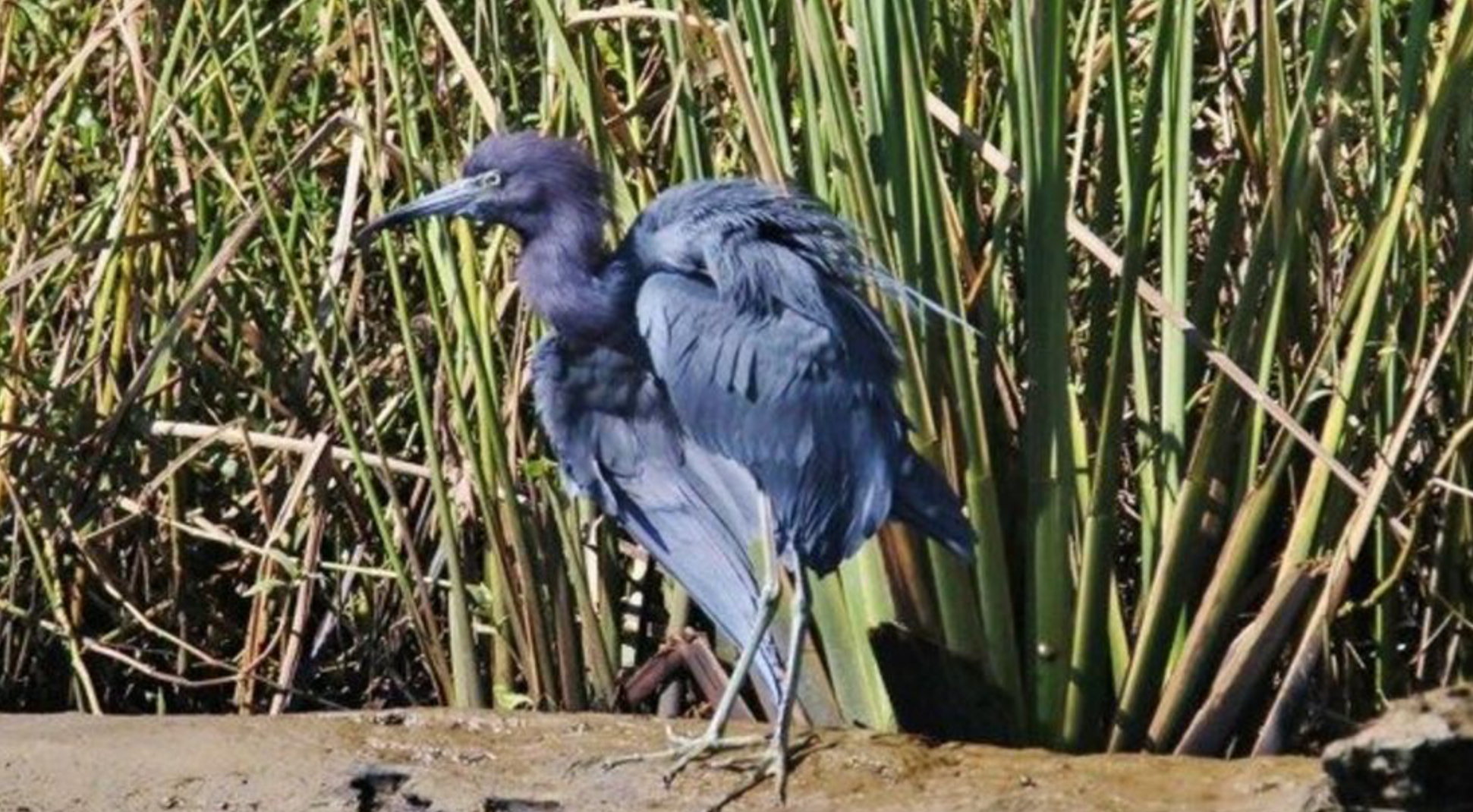
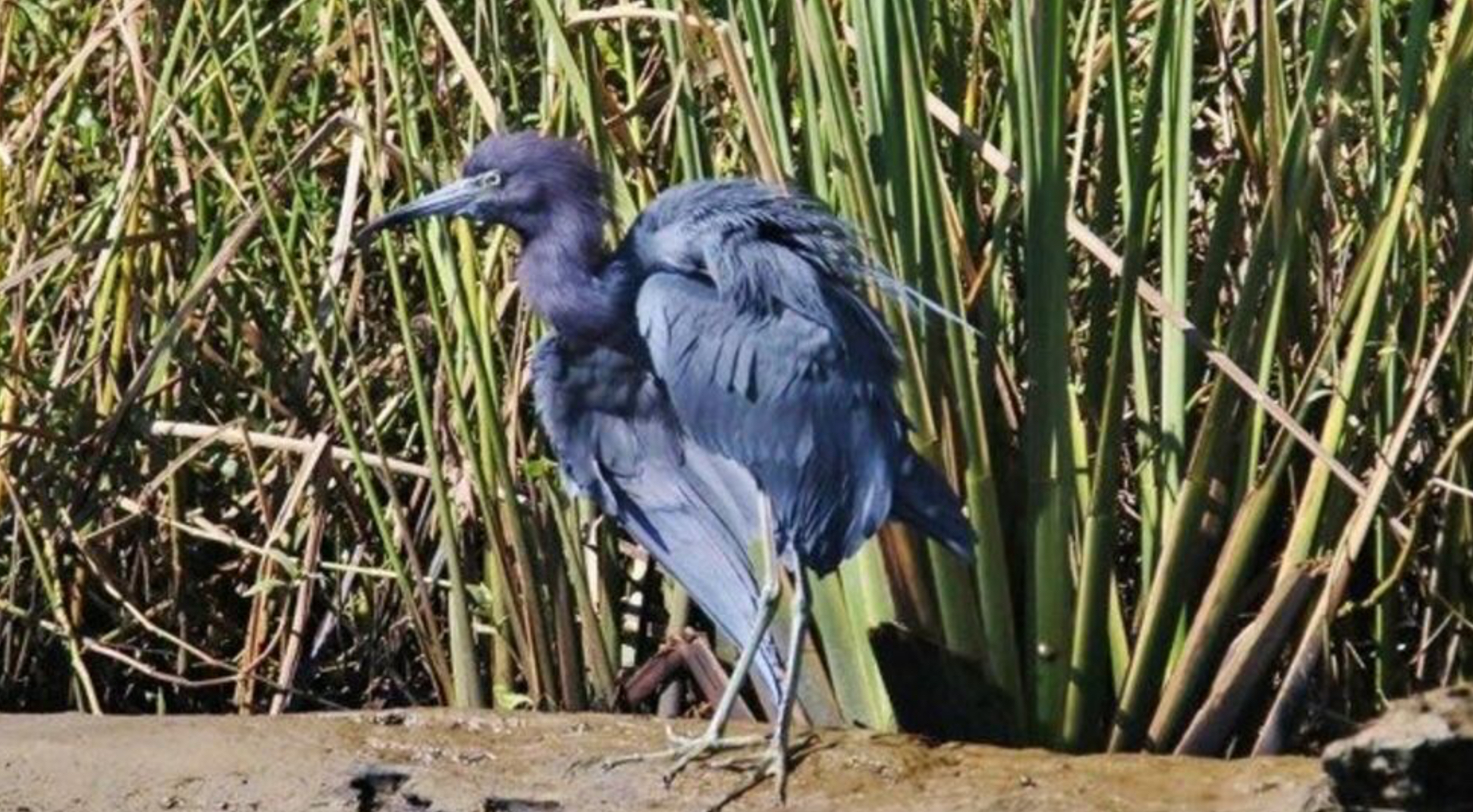
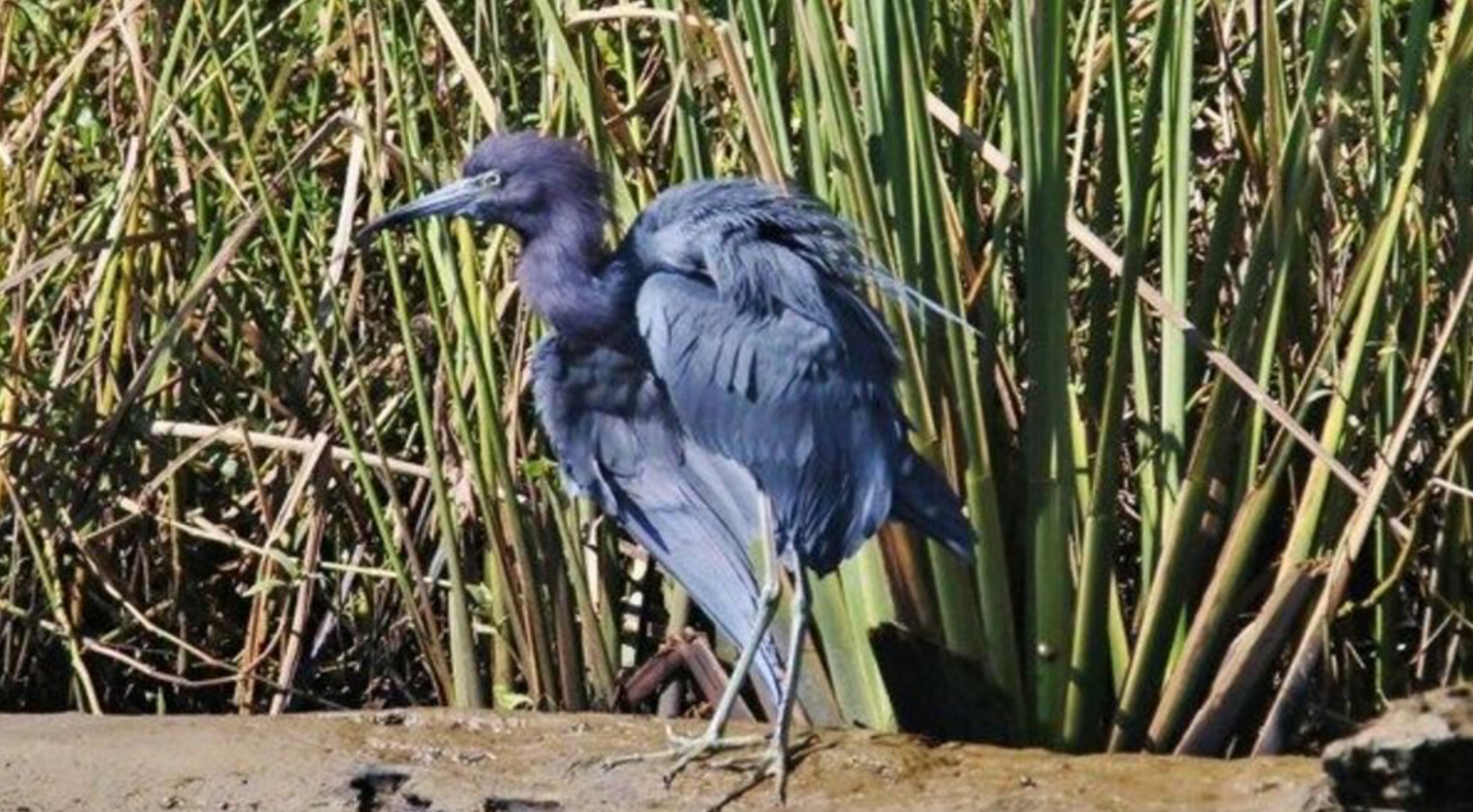
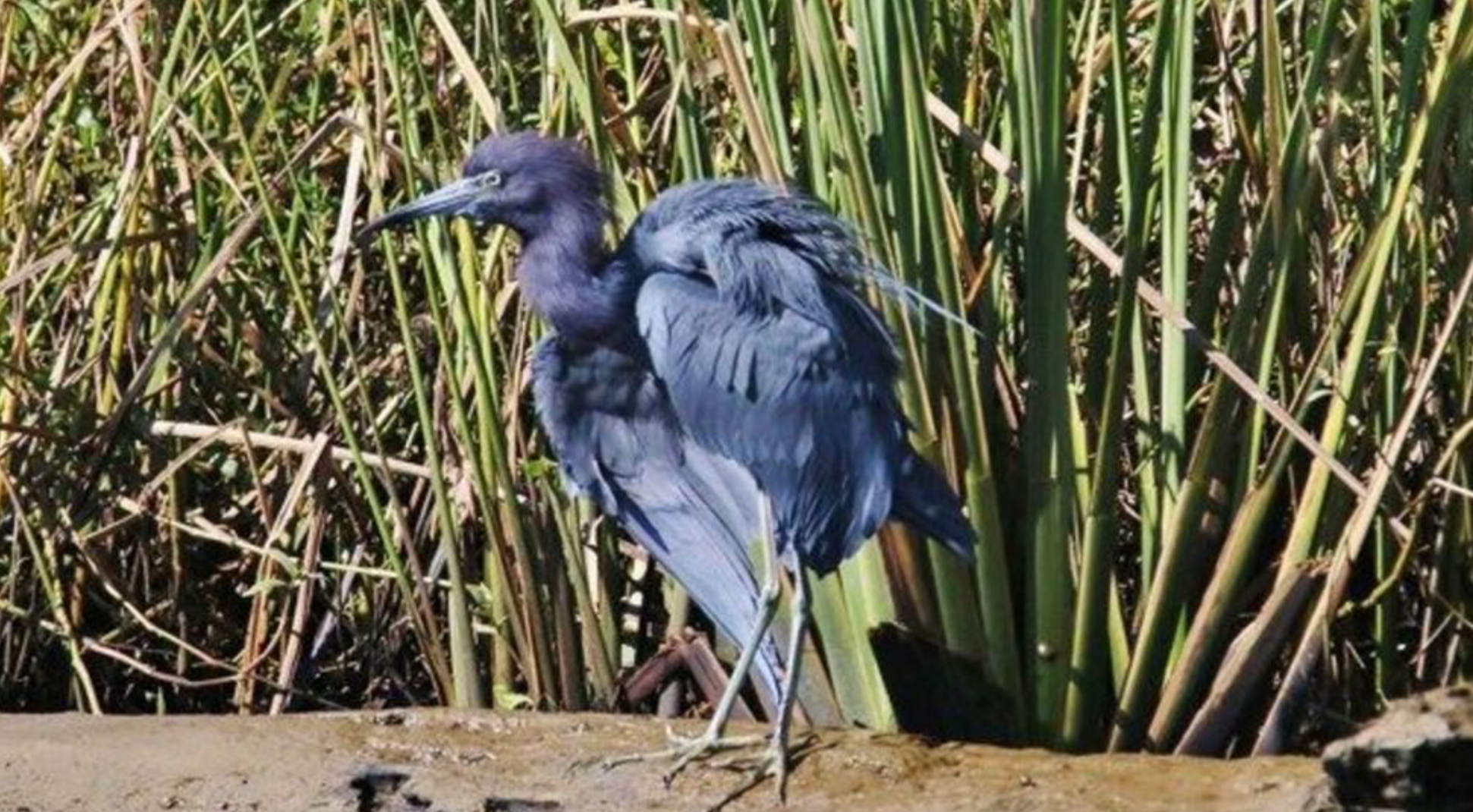
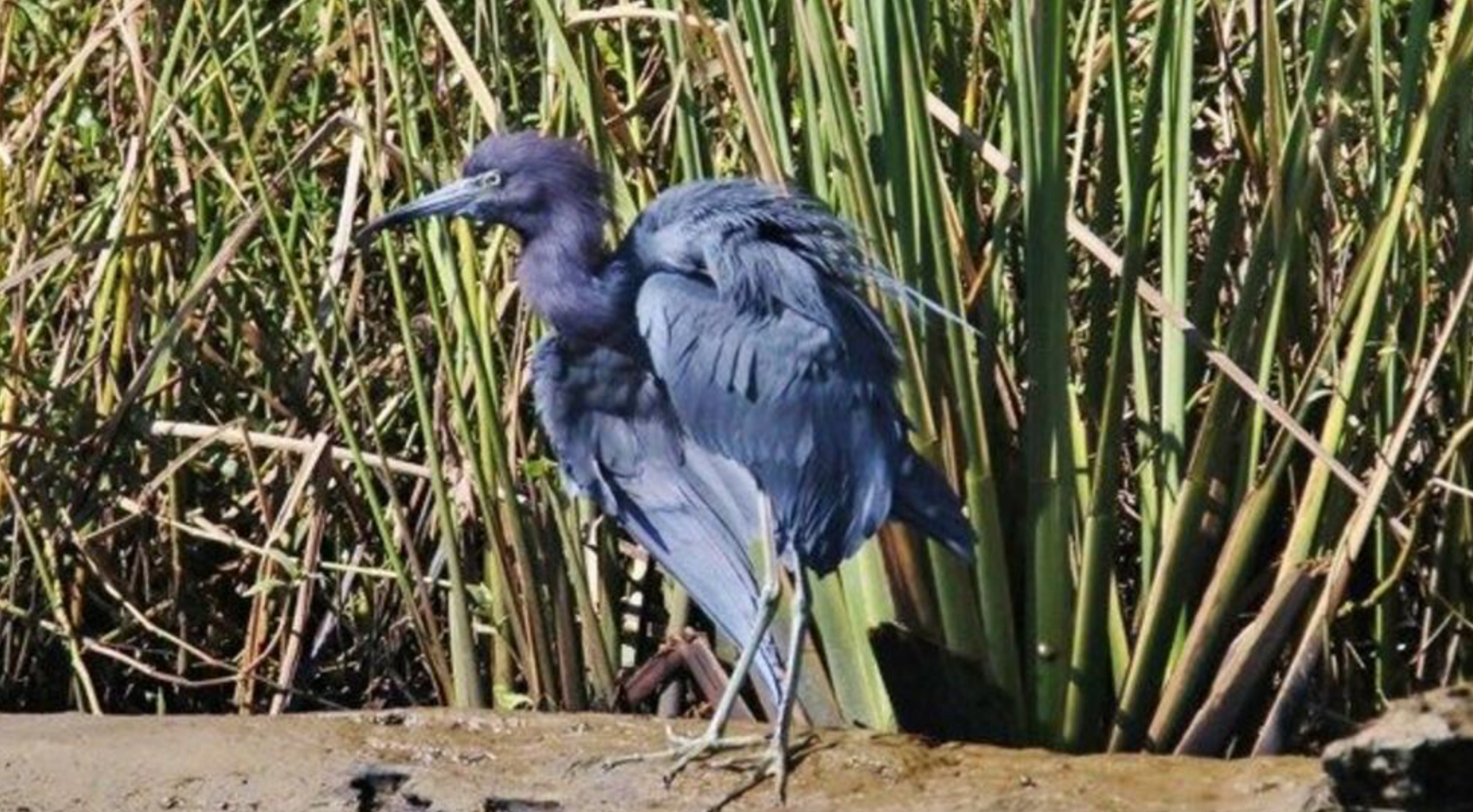
A little blue heron (Egretta caerulea) hunting among marsh grasses. These medium-sized wading birds feed primarily on small fish, amphibians, and aquatic invertebrates in the shallow waters of the delta. Young little blue herons are actually white, gradually changing to the slate-blue adult plumage during their first year, an adaptation that may help them feed more successfully among groups of white egrets.
The Mobile-Tensaw Delta supports over 300 bird species, making it one of the most important avian habitats in North America. The delta serves as a critical stopover point along the Mississippi Flyway, one of the continent's major bird migration routes. Wading birds like the little blue heron (Egretta caerulea), great egret (Ardea alba), and wood stork (Mycteria americana) feed in the delta's shallow waters, while raptors like the osprey (Pandion haliaetus) and bald eagle (Haliaeetus leucocephalus) hunt from above. The bottomland hardwood forests provide essential habitat for numerous songbird species, including the prothonotary warbler (Protonotaria citrea), often called the "swamp canary" for its brilliant yellow plumage.
Reptiles and Amphibians: Masters of Adaptation
The Mobile-Tensaw Delta is home to one of the most diverse assemblages of reptiles and amphibians in North America, with over 40 species of snakes, 10 species of turtles, and numerous frogs, toads, and salamanders. The American alligator (Alligator mississippiensis) serves as an apex predator and ecosystem engineer, creating "alligator holes" that provide critical habitat during dry periods. The delta's snake diversity is particularly impressive, including the eastern diamondback rattlesnake (Crotalus adamanteus), eastern indigo snake (Drymarchon couperi), and rainbow snake (Farancia erytrogramma).
Fish: Underwater Diversity
The waters of the Mobile-Tensaw Delta support over 130 fish species, from tiny minnows to large predators like the alligator gar (Atractosteus spatula), which can exceed 8 feet in length. This remarkable fish diversity includes both freshwater and estuarine species, reflecting the delta's position at the interface between river and bay. The delta serves as an important nursery area for many commercially and recreationally important fish species, including largemouth bass (Micropterus salmoides), crappie (Pomoxis), and various sunfish (Lepomis).
Mammals: From Mice to Manatees
The Mobile-Tensaw Delta supports a diverse mammal community, from small rodents like the marsh rice rat (Oryzomys palustris) to large herbivores like the white-tailed deer (Odocoileus virginianus). Aquatic and semi-aquatic mammals include the North American river otter (Lontra canadensis), American beaver (Castor canadensis), and occasionally the West Indian manatee (Trichechus manatus), which may venture into the delta during warmer months. Predators like the bobcat (Lynx rufus) and coyote (Canis latrans) help regulate prey populations and maintain ecological balance.
Invertebrates: The Unseen Majority
The most numerous and diverse animals in the Mobile-Tensaw Delta are the invertebrates, including insects, crustaceans, mollusks, and countless other groups. These often-overlooked organisms play vital roles in the ecosystem as pollinators, decomposers, prey items, and indicators of environmental health. The delta is particularly known for its remarkable diversity of freshwater mussels, with over 60 species documented in the Mobile Basin, making it a global hotspot for mussel biodiversity.
Factors Contributing to Biodiversity
Several key factors contribute to the extraordinary biodiversity of the Mobile-Tensaw Delta:
Habitat Diversity
The delta encompasses a remarkable variety of habitat types, from open water and emergent marshes to cypress-tupelo swamps and bottomland hardwood forests. This habitat diversity provides niches for a wide range of species with different ecological requirements.
Hydrological Complexity
Map showing the complex network of waterways in the Mobile-Tensaw Delta. Continuing further downstream, a maze of bayous, creeks, distributary channels and other watercourses bisect the Delta between the Tensaw River and Big Lizard Creek, adding to the hydrologic and ecologic diversity of the system. This intricate water network creates numerous microhabitats that support the delta's remarkable biodiversity.
The complex network of rivers, streams, bayous, and other waterways creates a dynamic hydrological system with varying flow rates, depths, and water chemistry. This hydrological complexity supports a diverse array of aquatic and semi-aquatic organisms adapted to different conditions.
Ecotone Effects
The delta functions as an ecotone—a transition zone between different ecosystems. It sits at the interface between freshwater and estuarine environments, creating gradients of salinity and other environmental factors that support different species assemblages. These transition zones often harbor greater biodiversity than the adjacent ecosystems.
Biogeographical Factors
The Mobile-Tensaw Delta's location in the southeastern United States places it within a region known for its high biodiversity. The warm, humid climate and relatively stable geological history have allowed for the evolution and persistence of numerous species over time.
Seasonal Dynamics
Seasonal changes in water levels, temperature, and other environmental factors create temporal niches that different species can exploit. These seasonal dynamics help maintain biodiversity by preventing any single species from dominating the ecosystem year-round.
Conservation Challenges and Opportunities
Despite its ecological importance, the Mobile-Tensaw Delta faces numerous conservation challenges that threaten its remarkable biodiversity:
Habitat Loss and Fragmentation
Development, agriculture, and timber harvesting have reduced and fragmented natural habitats within and around the delta. This habitat loss directly impacts biodiversity by eliminating living space for native species and disrupting ecological connections.
Water Quality Issues
Pollution from agricultural runoff, industrial discharges, and urban areas threatens water quality in the delta. Excess nutrients, sediments, and contaminants can harm aquatic organisms and disrupt ecological processes.
Invasive Species
Non-native species like Chinese tallow tree (Triadica sebifera), water hyacinth (Eichhornia crassipes), and wild hogs (Sus scrofa) have established populations in the delta, competing with native species and altering ecosystem functions.
Climate Change
Rising sea levels, changing precipitation patterns, and increasing temperatures associated with climate change pose significant threats to the delta's biodiversity. These changes may alter habitat conditions, shift species ranges, and exacerbate other stressors.
Conservation Opportunities
Despite these challenges, there are numerous opportunities for conserving the biodiversity of the Mobile-Tensaw Delta. Protected areas like the Mobile-Tensaw Delta Wildlife Management Area, Weeks Bay National Estuarine Research Reserve, and Blakeley State Park safeguard significant portions of the delta. Conservation organizations, government agencies, and local communities are working together to address threats, restore degraded habitats, and promote sustainable use of the delta's resources.
By recognizing the ecological value of the Mobile-Tensaw Delta and taking action to protect its remarkable biodiversity, we can ensure that America's Amazon continues to thrive as one of North America's most important ecological treasures.