Introduction: Capturing America's Amazon
The Mobile-Tensaw Delta, often called "America's Amazon," represents one of North America's most biodiverse ecosystems. This visual gallery showcases the remarkable plants, animals, and landscapes that make this region so ecologically significant. Through these images, we hope to convey both the beauty and the ecological importance of this extraordinary place, inspiring appreciation and conservation of the delta's natural treasures.
Plant Life
A field of white-topped pitcher plants (Sarracenia leucophylla) in bloom. These remarkable carnivorous plants have evolved specialized leaves that form pitchers filled with digestive enzymes to trap and dissolve insects, allowing them to obtain nutrients in the acidic, nutrient-poor soils of the delta's pine savannas. The distinctive white tops with red veining attract insects to the pitchers.
Close-up of yellow trumpet pitcher plants (Sarracenia flava). These carnivorous plants can grow up to 3 feet tall and feature bright yellow-green pitchers with reddish-purple veins. The hood at the top helps prevent rainwater from diluting the digestive enzymes inside the pitcher. The Mobile-Tensaw Delta region is a global hotspot for pitcher plant diversity.
American lotus (Nelumbo lutea) in bloom on the water. This native aquatic plant produces spectacular yellow flowers up to 10 inches in diameter and large circular leaves that can reach 2 feet across. The seeds and tubers were important food sources for indigenous peoples, and the plant provides valuable habitat for fish and aquatic invertebrates in the delta's shallow waters.
Birds
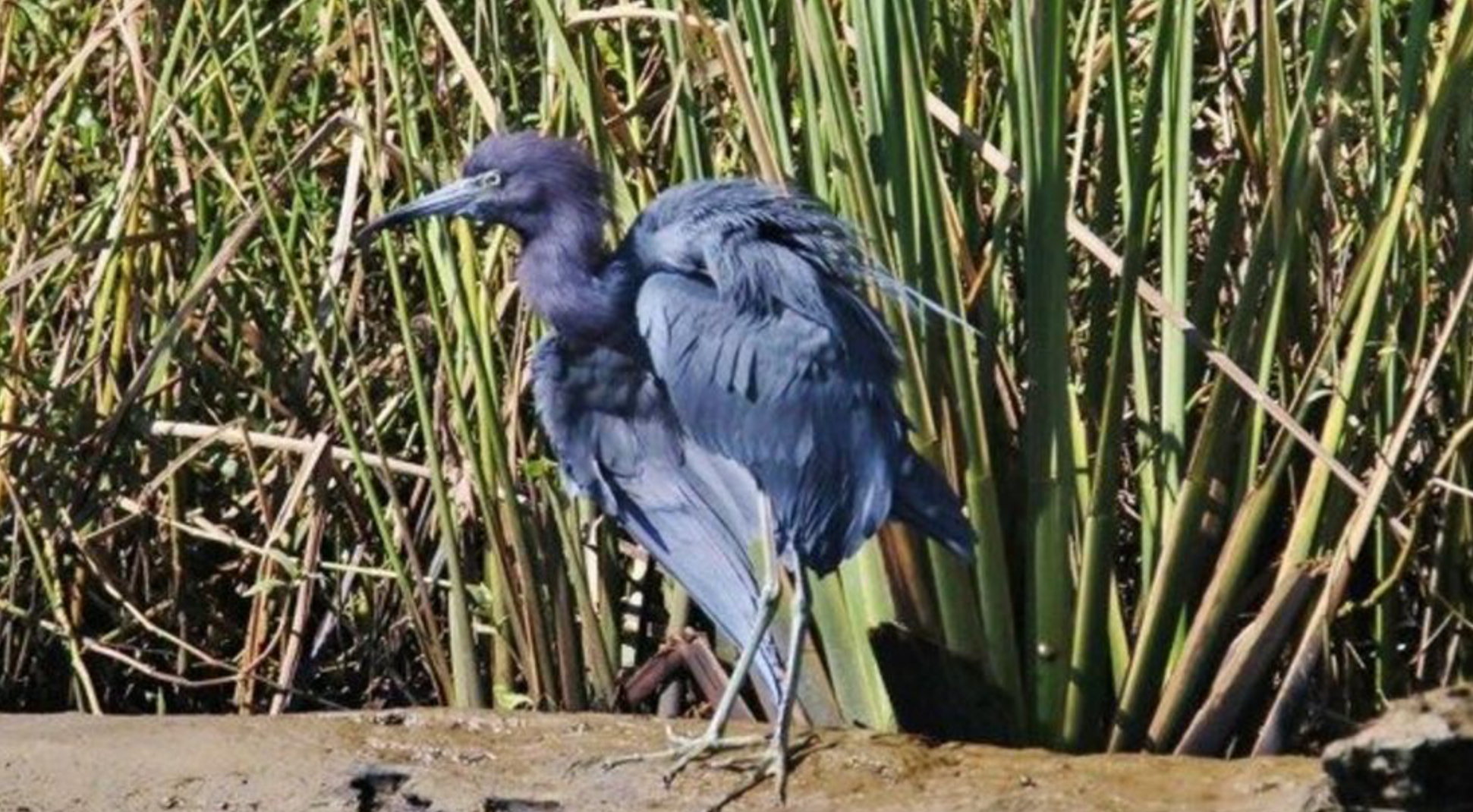
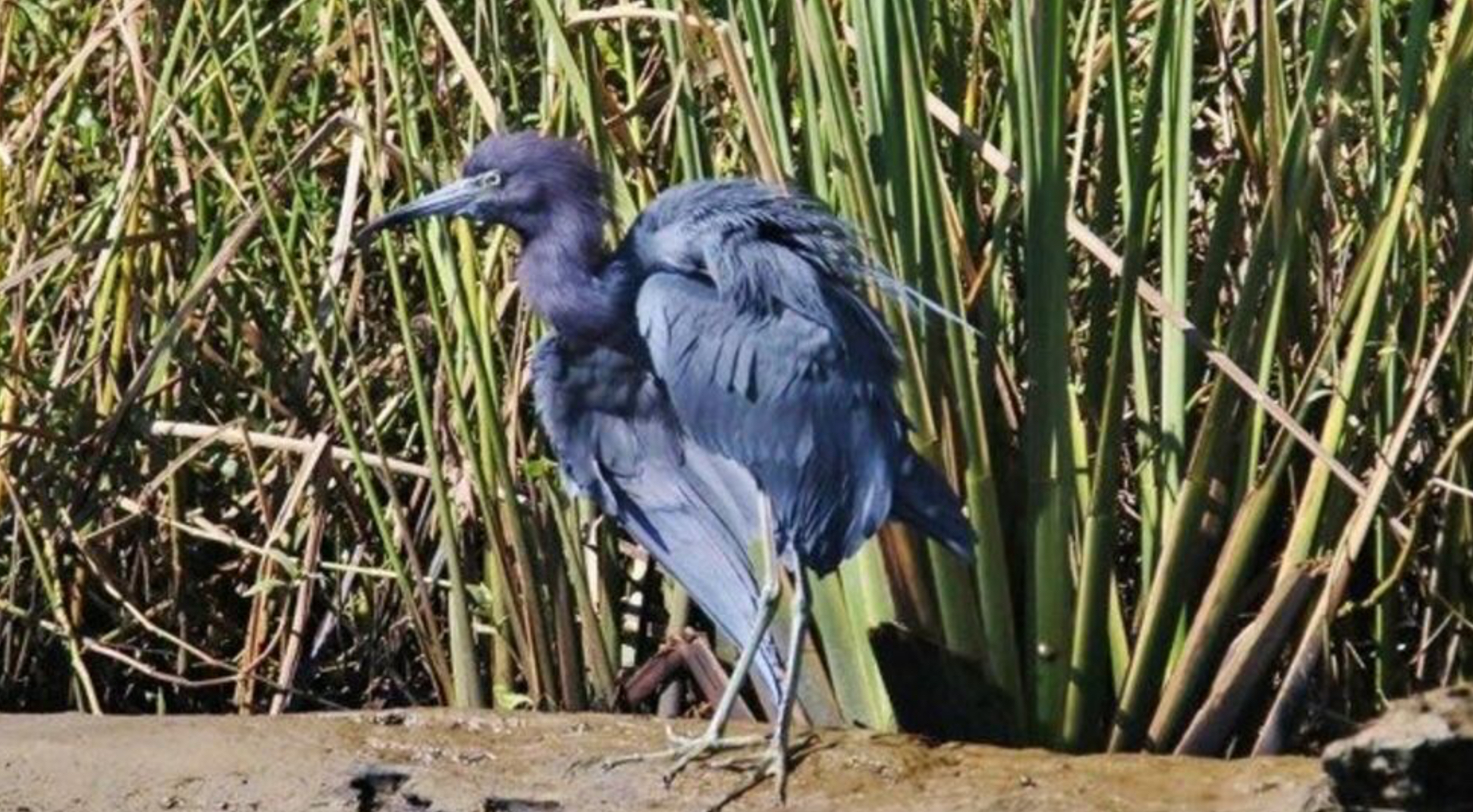
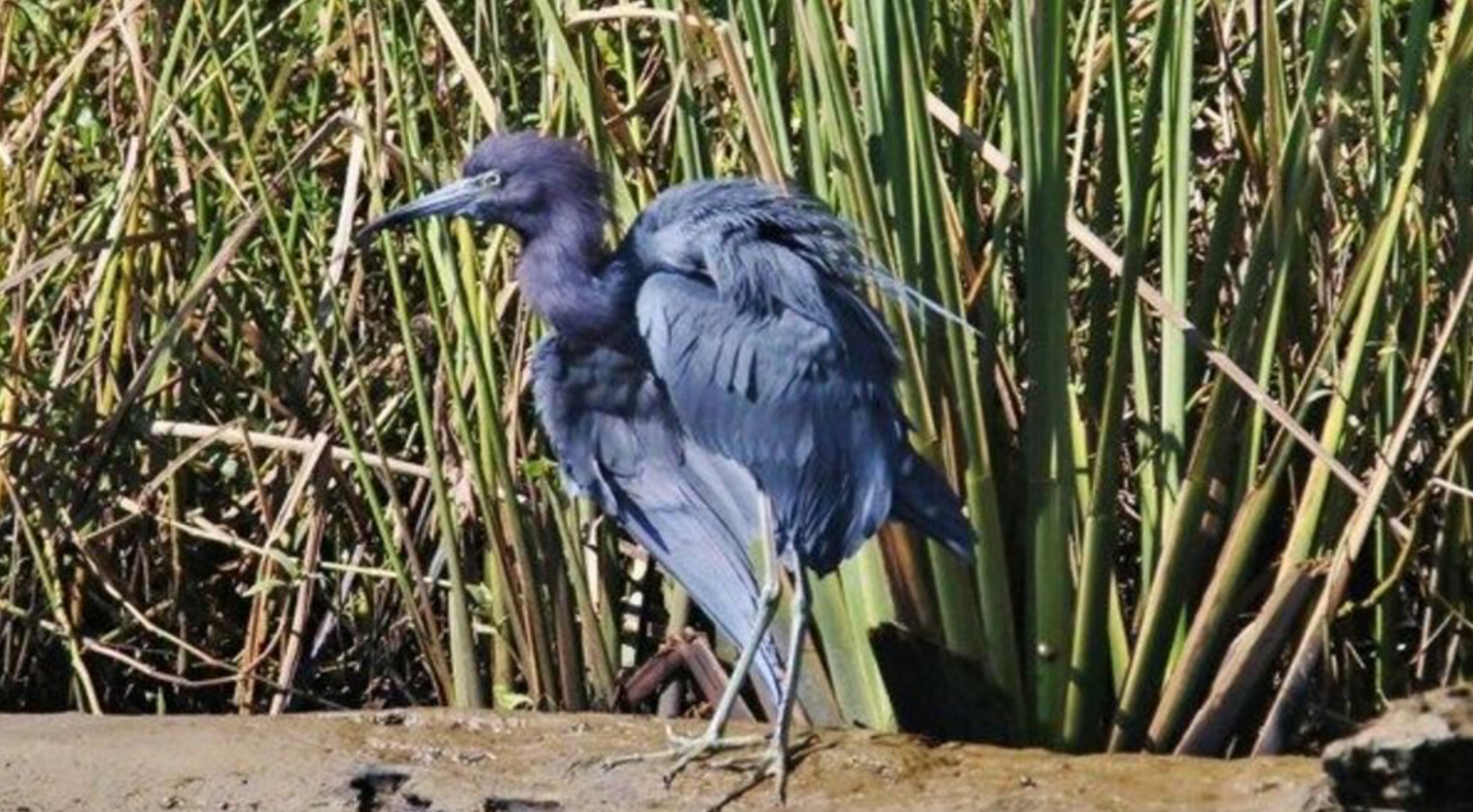
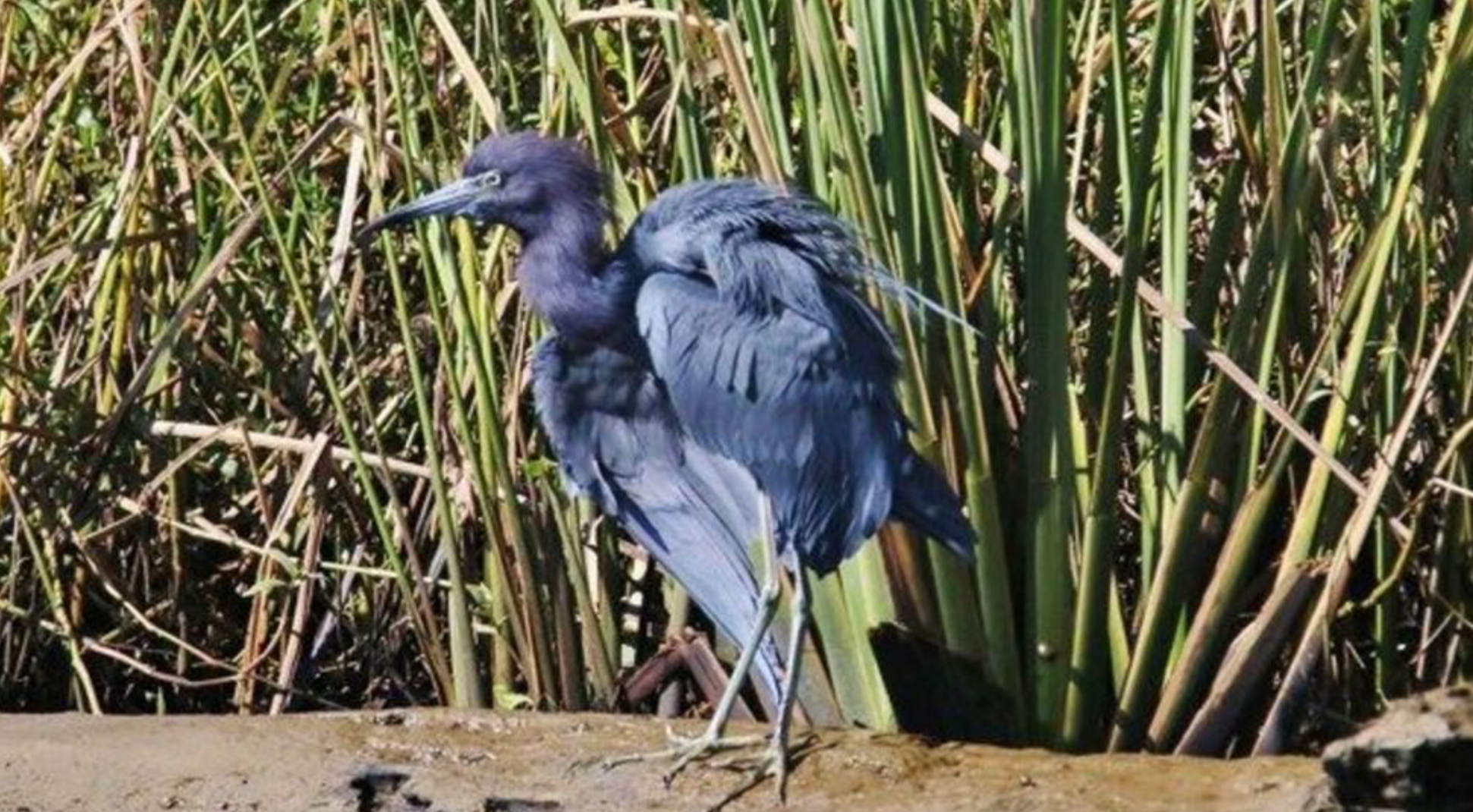
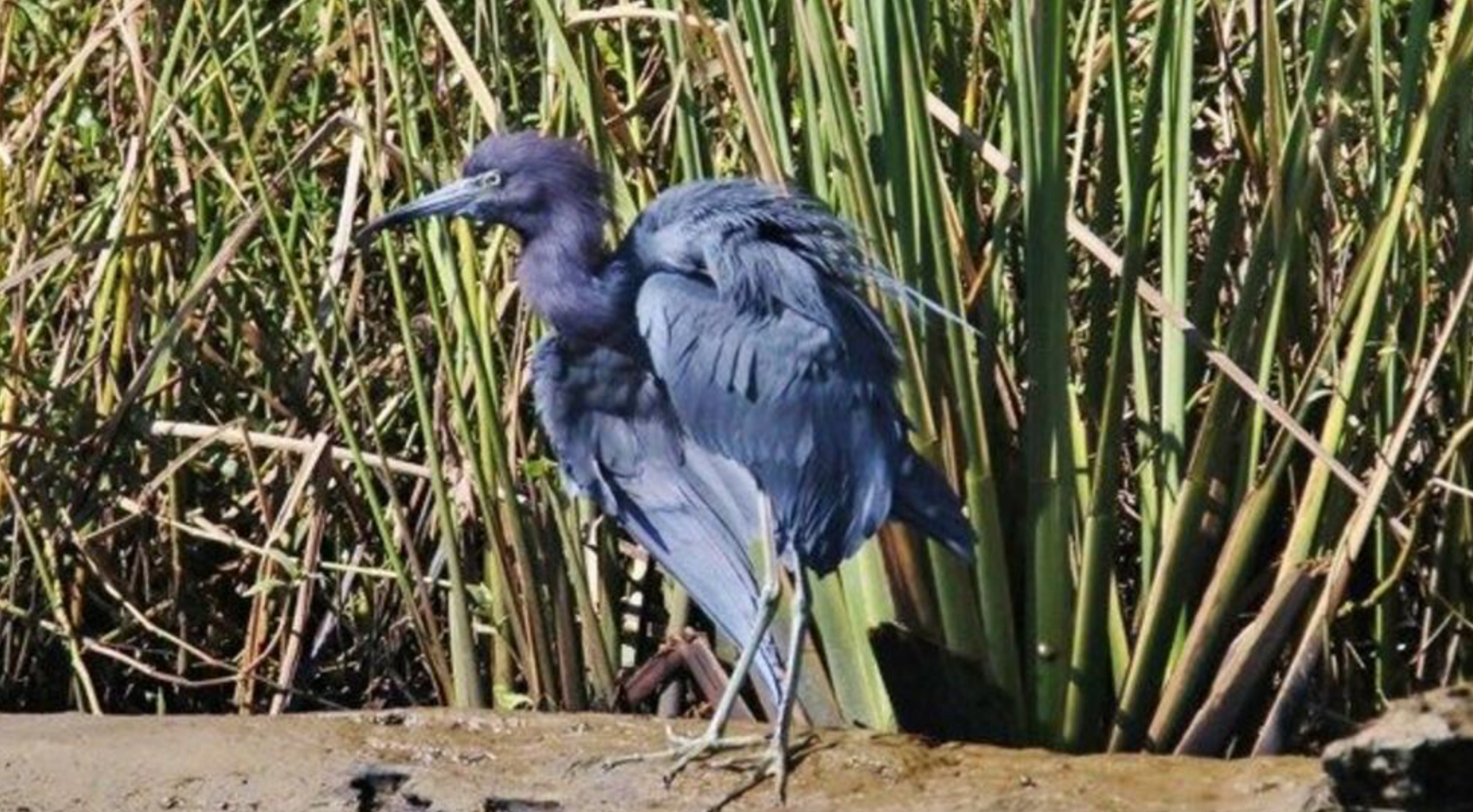
A little blue heron (Egretta caerulea) hunting among marsh grasses. These medium-sized wading birds feed primarily on small fish, amphibians, and aquatic invertebrates in the shallow waters of the delta. Young little blue herons are actually white, gradually changing to the slate-blue adult plumage during their first year, an adaptation that may help them feed more successfully among groups of white egrets.
Landscapes
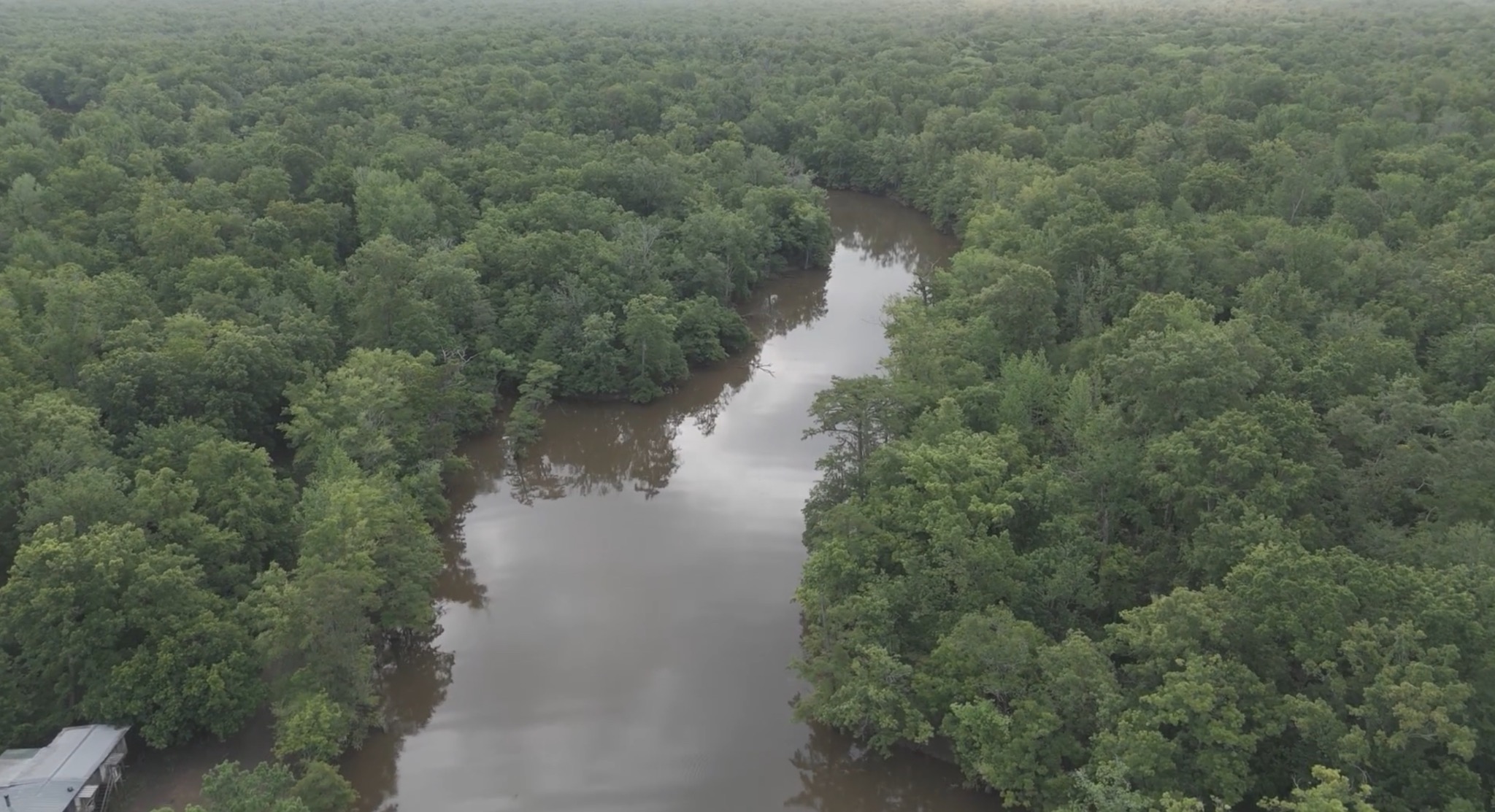
Aerial view of the Mobile-Tensaw Delta showing the intricate network of waterways cutting through the lush forest canopy. This complex ecosystem spans approximately 260,000 acres and represents the second-largest river delta in the United States. The winding rivers and streams create a maze-like pattern that provides diverse habitats for countless plant and animal species.
Map showing the complex network of waterways in the Mobile-Tensaw Delta. Continuing further downstream, a maze of bayous, creeks, distributary channels and other watercourses bisect the Delta between the Tensaw River and Big Lizard Creek, adding to the hydrologic and ecologic diversity of the system. This intricate water network creates numerous microhabitats that support the delta's remarkable biodiversity.
Wildlife
A cottonmouth (Agkistrodon piscivorus) displaying its namesake white mouth lining as a warning display. These semi-aquatic pit vipers are common throughout the Mobile-Tensaw Delta, particularly in and around water bodies. Despite their fearsome reputation, cottonmouths typically avoid confrontation with humans unless threatened or cornered.

An eastern indigo snake (Drymarchon couperi), the longest native snake in North America and a federally threatened species. These magnificent non-venomous snakes can reach lengths of over 8 feet and have glossy blue-black scales that appear iridescent in sunlight. Eastern indigos are apex predators that feed on a variety of prey, including venomous snakes like rattlesnakes and cottonmouths.
Research & Conservation
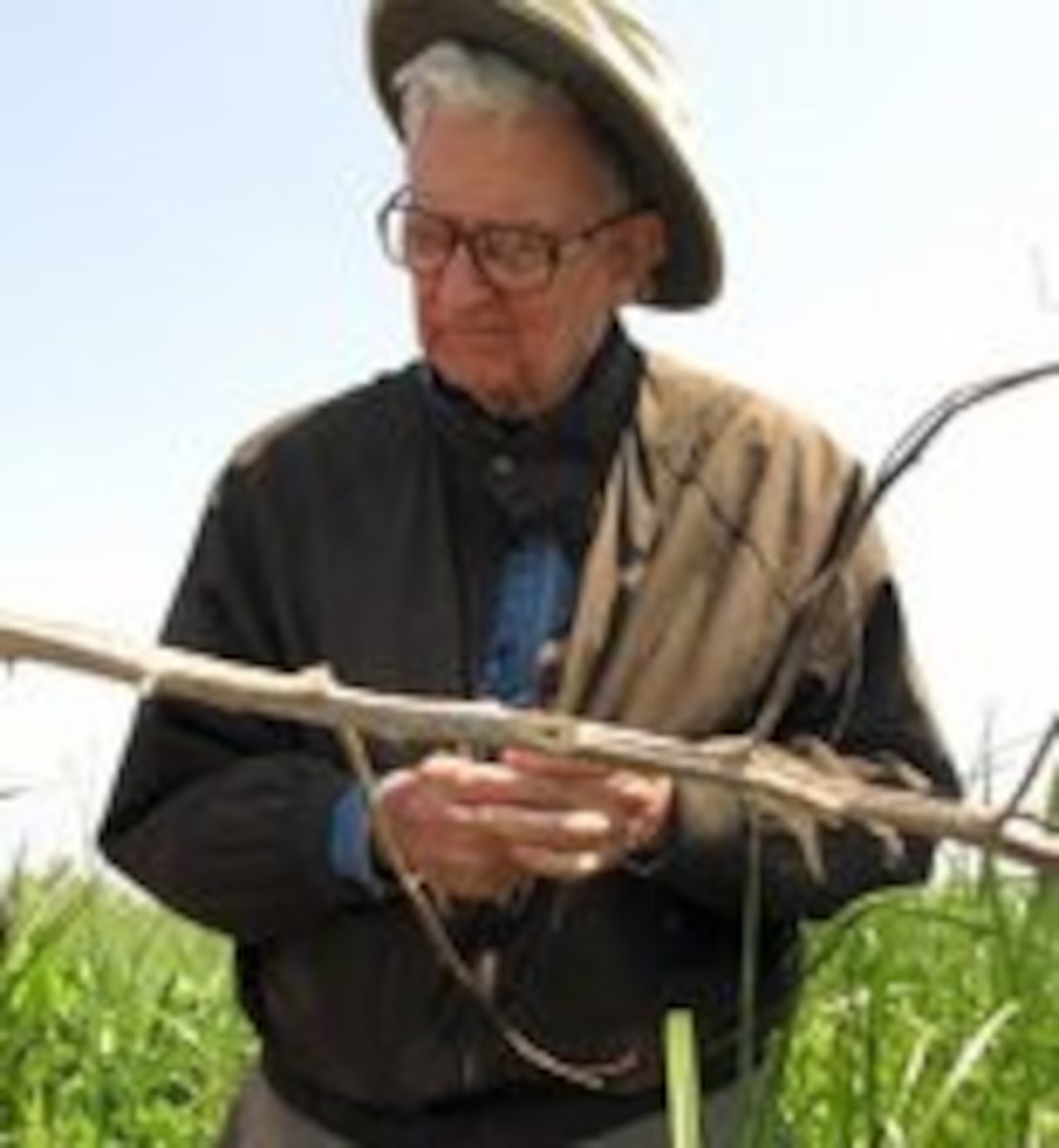
E.O. Wilson, renowned biologist and naturalist, examining specimens in the field. Wilson recognized the Mobile-Tensaw Delta as "one of the biologically richest places in North America yet the least explored and understood." His advocacy helped bring attention to the ecological importance of this region and the need for its conservation. Wilson's work continues to inspire research and conservation efforts in the delta.